
 Brian Dương
#What Is Cashew Nut W160? Comparison with Other Cashew Nuts
What Is Cashew Nut W160? Comparison with Other Cashew Nuts
27/05/2025 -
Nội dung bài viết
Cashew nuts are a beloved snack and ingredient worldwide, known for their rich flavor, creamy texture, and nutritional benefits. Among the various grades of cashew nuts, W160 stands out as one of the most popular and versatile grades. Whether you're a consumer, a retailer, or a food manufacturer, understanding what cashew nut W160 is and how it compares with other grades can help you make informed choices. This article explores the characteristics of W160 cashew nuts and provides a detailed comparison with other common cashew nut grades.
Understanding Cashew Nut Grading
Cashew nut grading is primarily based on kernel size, shape, wholesomeness, and the presence of defects. These grades help buyers and sellers maintain quality standards and price consistency in the global cashew market.
-
W stands for “Whole”, indicating the kernels are intact and not broken.
-
The number following W refers to the approximate count of kernels per pound.
For example, W160 means approximately 160 whole cashew kernels per pound.
What Is Cashew Nut W160?
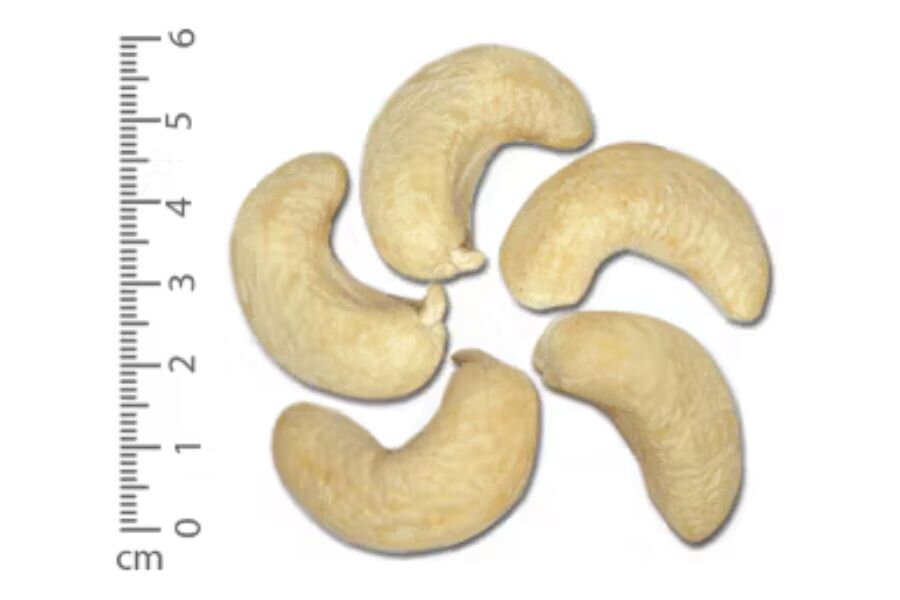
Cashew nut W160 is a medium-to-large-sized whole cashew kernel.
Characteristics of W160 Cashew Nuts
-
Size: Kernels measure roughly 22 to 24 millimeters in length.
-
Quantity: About 160 kernels per pound.
-
Shape: Kidney-shaped with a smooth surface.
-
Color: Typically ivory white or light cream.
-
Quality: Usually free from black spots, discoloration, or insect damage.
-
Texture: Firm and crunchy when roasted.
W160 strikes a balance between size, quality, and cost, making it suitable for many uses.
Comparison of Cashew Nut W160 with Other Common Grades
1. W180
-
Size: Slightly larger than W160, about 180 kernels per pound.
-
Usage: Considered premium, used in gourmet products and premium snack mixes.
-
Price: Generally more expensive than W160.
-
Comparison: W180 kernels are bigger and may have slightly higher quality, but W160 is more widely consumed due to cost-effectiveness.
2. W210
-
Size: Smaller than W160, about 210 kernels per pound.
-
Usage: Common in commercial and retail products.
-
Price: More affordable than W160.
-
Comparison: W210 is smaller and may have less visual appeal, but suitable for baking, cooking, and processing.
3. W240
-
Size: Smaller kernels, approximately 240 per pound.
-
Usage: Often used in processed foods and confectionery.
-
Price: More budget-friendly.
-
Comparison: Smaller size reduces premium appeal but maintains nutritional benefits.
4. W320 and Below
-
Size: Even smaller kernels with higher kernel counts per pound.
-
Usage: Used primarily in industrial food production, nut butters, and processed snacks.
-
Price: Lowest cost among whole kernel grades.
-
Comparison: Less desirable for retail snacking but economical for processing.
5. Splits and Butts
-
Description: Cashew halves (splits) and smaller broken pieces (butts).
-
Usage: Often blended in mixed nut products or ground into cashew butter.
-
Price: Generally lower than whole kernel grades.
-
Comparison: Lack the visual appeal and texture of whole kernels but are valuable in processed products.
Factors to Consider When Choosing Cashew Nut Grades
-
Intended Use: Whole kernels like W160 are ideal for snacks and high-end products; smaller sizes and splits suit processed foods.
-
Budget: Larger kernels cost more; smaller sizes and broken pieces are more economical.
-
Quality Expectations: Whole kernels have better texture and appearance.
-
Supplier Reliability: Ensure consistent quality and accurate grading.
Applications of Cashew Nut W160
-
Snacking: Roasted, salted, or flavored W160 cashews are popular consumer products.
-
Culinary: Added to stir-fries, salads, desserts, and baked goods.
-
Manufacturing: Ground into cashew butter or used in nut pastes.
-
Exports: Widely traded internationally due to balanced size and quality.
Conclusion
Cashew nut W160 is a medium-to-large whole kernel grade appreciated for its excellent balance of size, quality, and price. When compared with other cashew grades like W180, W210, and splits, W160 offers versatility and visual appeal suitable for a broad range of uses. Whether for direct consumption, cooking, or processing, understanding these grades helps buyers and consumers select the best cashew nut to meet their needs.
Learn more: Cashew Nut W160
TVQuản trị viênQuản trị viên
Xin chào quý khách. Quý khách hãy để lại bình luận, chúng tôi sẽ phản hồi sớm